Home >> Austin >> Top 10 Museums in Austin
Top 10 Museums in Austin
Austin may be best known for live music, barbecue, outdoor adventures, and its creative culture, but the city also has an impressive selection of museums. Whether you're interested in Texas history, fine art, science, literature, or contemporary culture, there is an Austin museum worth adding to your itinerary.
From major institutions near the University of Texas to historic homes and outdoor sculpture gardens, these are 10 of the best museums in Austin, Texas to consider during your visit.

1. Bullock Texas State History Museum
Located just north of the Texas State Capitol, Bullock Texas State History Museum explores Texas history through exhibits covering Indigenous cultures, Spanish and Mexican Texas, the Republic of Texas, statehood, immigration, industry, and modern Texas. Its three floors make it an especially good choice for first-time visitors who want a broad introduction to the state.
The museum also features the Texas Spirit Theater and an IMAX theater, giving visitors an opportunity to combine history with film and immersive experiences. The museum recommends allowing at least one to two hours to explore the exhibition floors, with additional time if you plan to see a theater presentation.
Best for: Texas history, first-time visitors, families, and travelers who want an overview of the state.
Traveler tip: The Bullock is an easy museum to combine with a visit to the Capitol and other downtown attractions.

2. Blanton Museum of Art
The Blanton Museum of Art at The University of Texas at Austin is one of the city's top destinations for art lovers.
Its collection spans centuries and includes European, American, Latin American, and contemporary art. The museum is also known for its distinctive architecture and installations, making it worthwhile even for visitors who don't consider themselves serious art enthusiasts.
Best for: Art lovers, couples, culture seekers, and visitors exploring the UT Austin area.
Traveler tip: Combine the Blanton with the nearby Harry Ransom Center and Texas Science & Natural History Museum for an easy museum-focused day.

3. LBJ Presidential Library
Located on the UT Austin campus, the library documents the life and presidency of Lyndon B. Johnson, including major events and issues of the 1960s. Visitors can explore presidential records, photographs, recordings, artifacts, and exhibitions that place Johnson's presidency within the broader context of American history.
Best for: History buffs, political history enthusiasts, and visitors interested in 20th-century America.
Traveler tip: Give yourself a couple of hours if you want to explore the exhibitions rather than simply make a quick stop.

4. The Contemporary Austin
For contemporary art in Austin, visit The Contemporary Austin, which operates across two distinctive locations: the Jones Center downtown and Laguna Gloria.
The Jones Center sits on Congress Avenue and provides a traditional downtown gallery experience. Laguna Gloria, meanwhile, offers a very different setting: a 14-acre site where contemporary sculpture and art are presented among gardens, wooded paths, and the historic Driscoll Villa.
Both locations offer something different, so visitors who have enough time should consider seeing both.
Best for: Contemporary art, outdoor art, photographers, and visitors looking for a less traditional museum experience.
Traveler tip: Laguna Gloria is particularly appealing if you want to combine art with gardens, walking, and an outdoor setting.
5. Harry Ransom Center
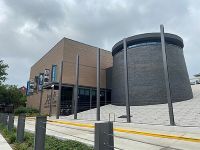
The Harry Ransom Center is one of Austin's most interesting museums for visitors who enjoy books, photography, literature, film, and rare historical materials.
The center's exhibitions draw from extensive collections of manuscripts, photographs, books, and other cultural artifacts. Among its best-known treasures are a complete Gutenberg Bible and the Niépce Heliograph, an extremely early surviving photograph.
Best for: Book lovers, photographers, literature fans, history enthusiasts, and curious travelers.
Traveler tip: Don't overlook the Ransom Center simply because it's smaller than some of Austin's major museums. It can be an excellent short stop while exploring the UT campus.

6. Mexic-Arte Museum
Located downtown on Congress Avenue, the Mexic-Arte Museum celebrates Mexican, Latin American, and Latino art and culture.
The museum presents exhibitions and programs that explore traditional and contemporary artistic expression, making it an excellent choice for travelers who want to experience an important part of Austin's cultural landscape.
Best for: Art lovers, cultural travelers, and visitors interested in Mexican and Latin American art.
Traveler tip: Its downtown location makes Mexic-Arte easy to add to a walking itinerary around Congress Avenue.

7. Texas Science & Natural History Museum
Formerly known as the Texas Memorial Museum, the Texas Science & Natural History Museum offers an engaging look at the natural history of Texas and the wider scientific world.
Visitors can explore fossils, dinosaurs, wildlife, geology, meteorites, and other natural-history exhibits. The museum's paleontology galleries are particularly appealing to visitors interested in prehistoric Texas.
Best for: Families, dinosaur fans, science enthusiasts, and visitors interested in Texas geology and natural history.
Traveler tip: Check the museum's closure calendar before visiting because some dates, including certain Texas football home-game days, have special closures.
8. George Washington Carver Museum, Cultural and Genealogy Center
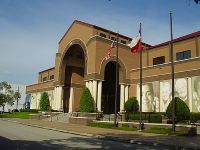
The George Washington Carver Museum, Cultural and Genealogy Center provides an important perspective on African American history, culture, and community in Austin and beyond.
Rather than focusing solely on the life of George Washington Carver, the museum uses exhibitions, programs, and collections to celebrate African American material culture, history, and artistic expression.
Best for: History enthusiasts, cultural travelers, families, and visitors interested in Austin's African American heritage.
Traveler tip: Allow extra time if you are also interested in the genealogy center and its resources.

9. Neill-Cochran House Museum
Built in 1856, the historic house is one of Austin's oldest residences and includes the city's only intact slave quarters. The museum explores Austin and Texas history from the city's early years through the early 20th century through historic rooms, exhibitions, and educational programs.
Best for: Local history, architecture, historic homes, and travelers looking for a deeper understanding of Austin's early history.
Traveler tip: The museum's guided Urban Enslavement in Austin tour offers additional context about slavery and its impact on the city. Check the museum's current schedule before planning around a specific tour.

10. Elisabet Ney Museum
The Elisabet Ney Museum is a unique Austin attraction centered on the life and work of German-born sculptor Elisabet Ney.
Ney moved to Austin in the late 19th century and established her studio, Formosa, where she created sculptures of notable figures including Sam Houston and Stephen F. Austin. The historic studio and residence later became a museum dedicated to her art and legacy.
Elisabet Ney Museum is currently closed for renovations and is expected to reopen in spring 2027.
Best for: Art lovers, architecture enthusiasts, local-history fans, and visitors interested in unusual Austin landmarks.
Traveler tip: If you're visiting Austin before spring 2027, check the museum's online programs and exhibitions rather than planning an in-person museum visit.
Related Austin Guides
Which Austin Museum Should You Visit?
| If you're interested in... | Start with... |
|---|---|
| Texas history | Bullock Texas State History Museum |
| Fine art | Blanton Museum of Art |
| Presidential history | LBJ Presidential Library |
| Contemporary art | The Contemporary Austin |
| Books and photography | Harry Ransom Center |
| Mexican and Latin American art | Mexic-Arte Museum |
| Dinosaurs and natural history | Texas Science & Natural History Museum |
| African American history and culture | George Washington Carver Museum |
| Early Austin history | Neill-Cochran House Museum |
| Sculpture and Austin history | Elisabet Ney Museum |
Best Museums in Austin for First-Time Visitors
If this is your first trip to Austin and you only have time for a few museums, consider starting with the Bullock Texas State History Museum, Blanton Museum of Art, and LBJ Presidential Library.
These three museums provide a broad introduction to Texas history, art, and American political history. If you prefer contemporary art and outdoor spaces, swap one of them for The Contemporary Austin at Laguna Gloria.
Best Austin Museums for Families
Families have several good options. The Texas Science & Natural History Museum is an obvious choice for children interested in dinosaurs, fossils, wildlife, and science. The Bullock can also work well for families looking for a broader introduction to Texas history.
For younger visitors, check each museum's current family programming and event calendar before visiting, as special activities and exhibitions can change throughout the year.
Free Museums in Austin
If you're looking for free museums in Austin, several options can help you keep your cultural itinerary affordable.
The George Washington Carver Museum is free to the public, while the Harry Ransom Center offers free admission to its exhibition galleries. The Contemporary Austin is free on Thursdays, and Mexic-Arte Museum is free on Sundays. The Blanton Museum of Art also offers free admission on Tuesdays.
Frequently Asked Questions About Austin Museums
What is the most popular museum in Austin?
The Bullock Texas State History Museum, Blanton Museum of Art, and LBJ Presidential Library are among the city's major museum attractions and are strong choices for first-time visitors.
How many museums are there in Austin?
Austin has numerous museums and cultural institutions covering subjects ranging from Texas history and fine art to science, literature, African American heritage, and contemporary art. The 10 museums in this guide represent a selection of notable places to visit rather than a complete list.
What are the best museums in Austin for adults?
Adults have plenty of options, including the Blanton Museum of Art, LBJ Presidential Library, Harry Ransom Center, The Contemporary Austin, and Mexic-Arte Museum. The best choice depends on whether you're more interested in art, history, literature, or contemporary culture.
What is the best museum in Austin for kids?
The Texas Science & Natural History Museum is a particularly good option for children interested in dinosaurs, fossils, animals, and science. The Bullock Texas State History Museum can also be a good family choice.
Are there free museums in Austin?
Yes. The George Washington Carver Museum and Harry Ransom Center offer free admission, while several other Austin museums have designated free days. Admission policies can change, so check the museum's official website before visiting.